
Tradition. Simplicity. Authentic Aleppo Soap.
Aleppo soap has been made the same way for over a thousand years. Four ingredients. Slow cooking. Months of open-air curing. We are here to bring that tradition to you — unchanged, uncompromised, and exactly as it has always been.
The tradition is Syrian. The craft continues in Türkiye. The bar is the same.
A Tradition That Stands the Test of Time
Aleppo soap has been crafted for centuries using only four essential ingredients — olive oil, laurel berry oil, water, and natural lye. This traditional method, preserved across generations, allows each bar to slowly develop its signature firmness and consistent lather through up to nine months of open-air curing. Nothing has been added. Nothing has been changed.
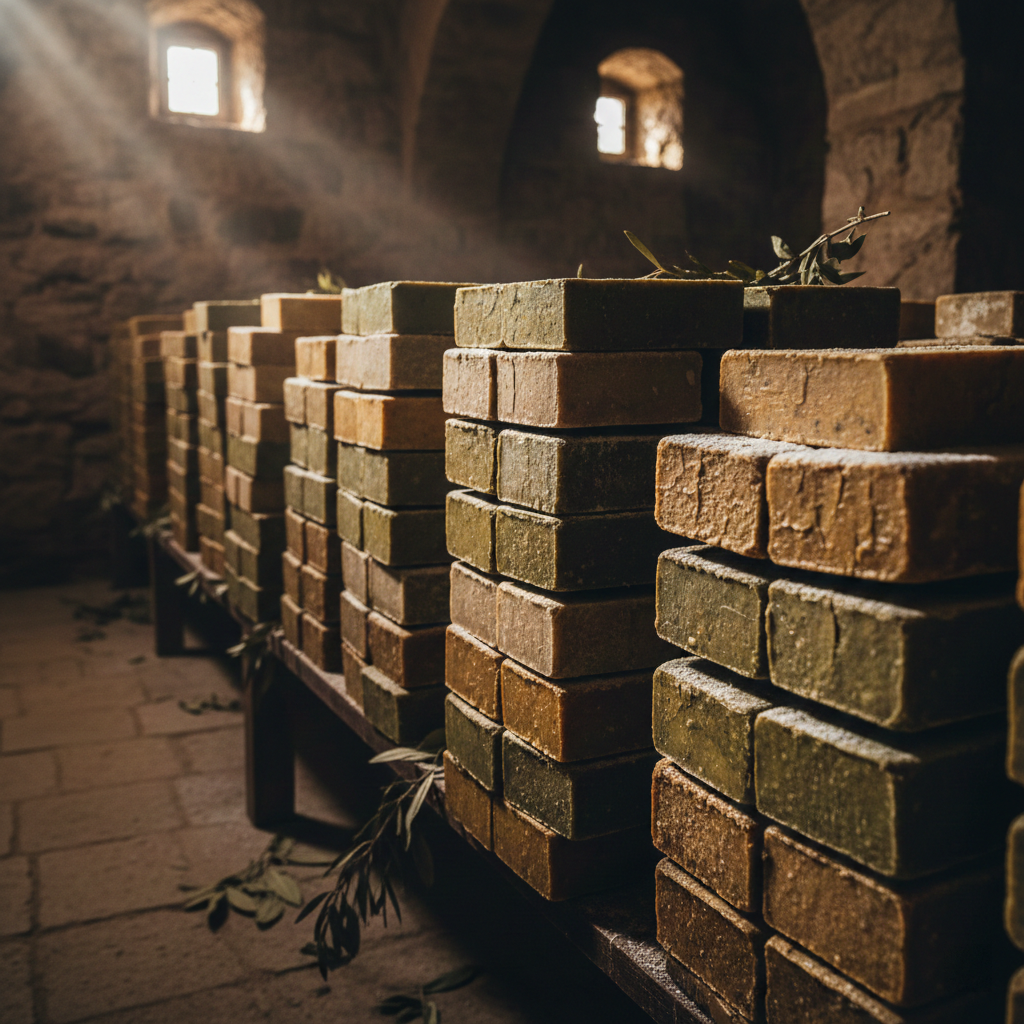
Restraint is our Recipe
True quality does not require excess. We honour the heritage of Aleppo soap by preserving what already works — four ingredients, patient craftsmanship, and the time required for natural curing. Each bar reflects a tradition built on restraint, purity, and consistency. If it did not need to change in a thousand years, it does not need to change now.
How Every Bar Is Made
Crafted using centuries-old Aleppo soapmaking traditions, each bar is slowly cooked, hand-cut, and air-cured to develop its lasting strength and distinctive character. Crafted in Türkiye by skilled artisans following the same Syrian production methods passed down for over a thousand years.
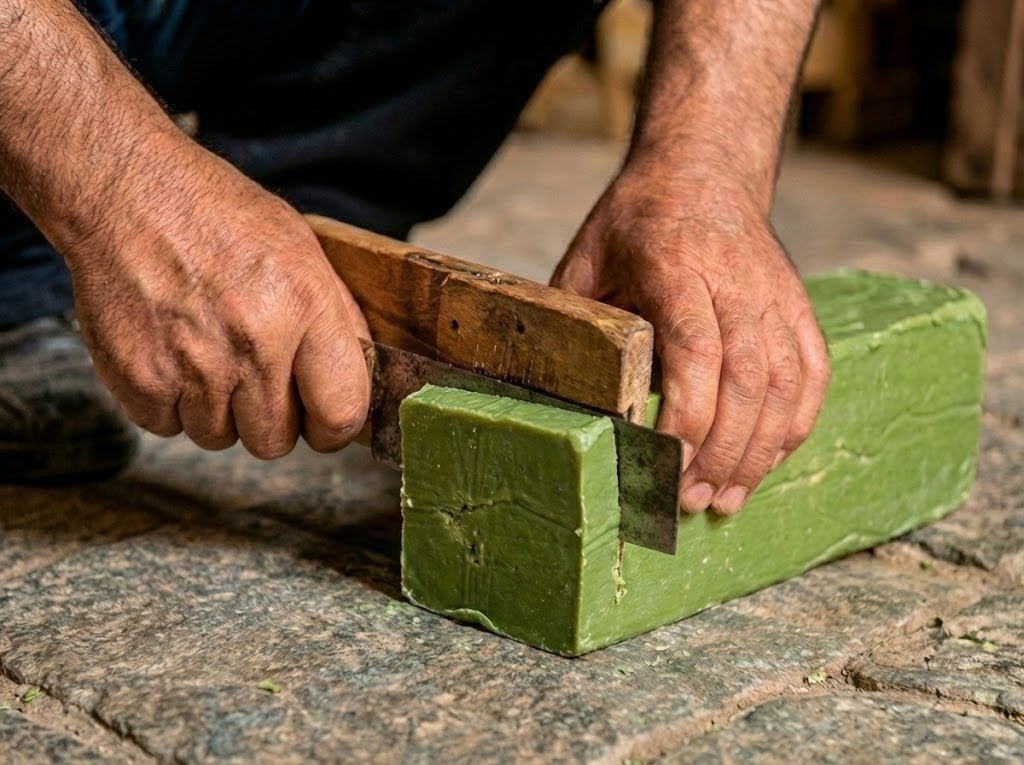
The Ancient Method
The tradition of Aleppo soap is Syrian — born in the city of Aleppo more than a thousand years ago, where craftsmen discovered that combining laurel berry oil with olive oil, cooking them together slowly, and allowing the bar to cure for months produced something no other method could replicate.
The process has not changed. Olive oil and laurel berry oil are cooked together in large vats, stirred by hand until the mixture reaches the right consistency, then poured onto cooling floors. Each bar is cut individually and stamped by artisans before beginning the curing process that will take the better part of a year. What emerges is a bar that is harder, denser, and more consistent than anything produced faster could ever be.
The Nine-Month Cure
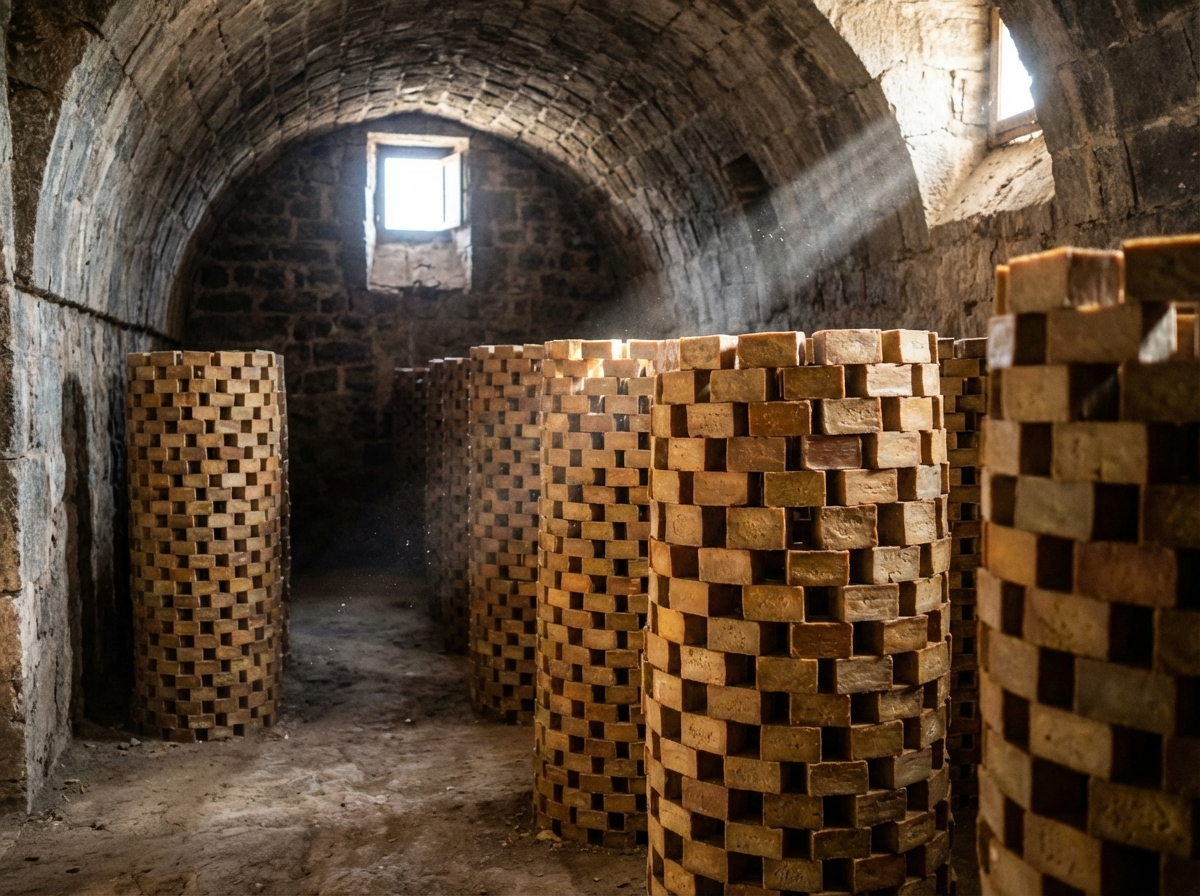
Freshly cut bars rest in open-air curing chambers for up to nine months. Natural air slowly dries each bar, forming its signature golden exterior while preserving a rich green core inside. This extended curing process enhances firmness, longevity, and the soap’s gentle lather. It cannot be rushed — and we would never try.
Only What Nature Provides
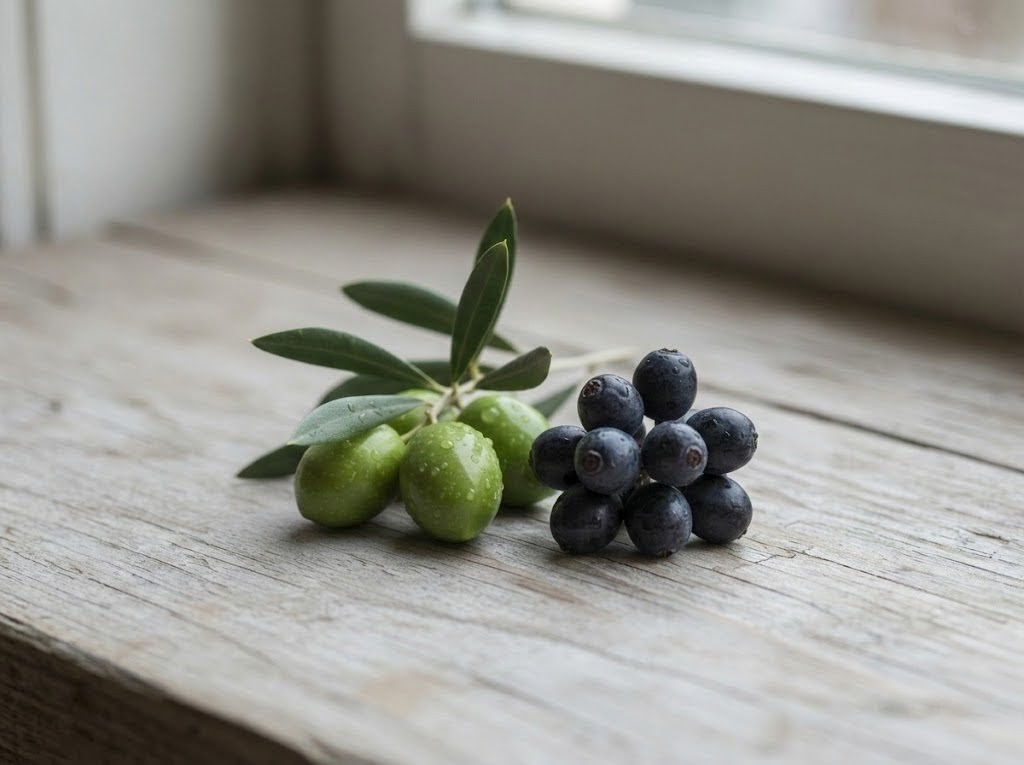
The full ingredient list for every Sobeautis formula: olive oil, laurel berry oil, natural lye, and water. That is it. No synthetic fragrance to mask the natural scent of the oils. No sulfates to create artificial foam. No preservatives to extend a shelf life that the curing process already handles. No dyes to make the bar look more appealing than it actually is.
What you see is what is in it. What is in it is what works. Every ingredient serves a purpose. Nothing is there to impress a label reader — because there is nothing to hide.
Our Philosophy
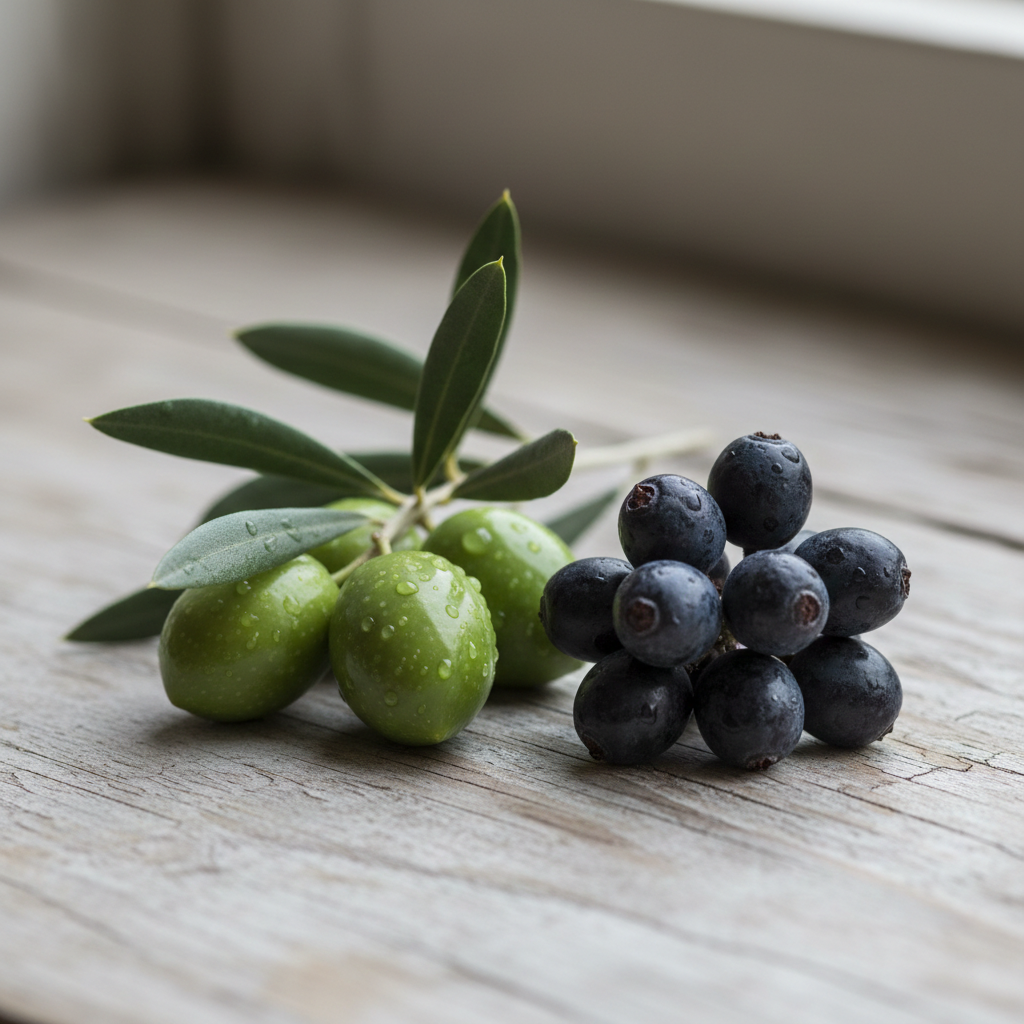
Quality
Nine months of air-curing is not a selling point. It is a requirement. Quality means doing what the tradition demands.
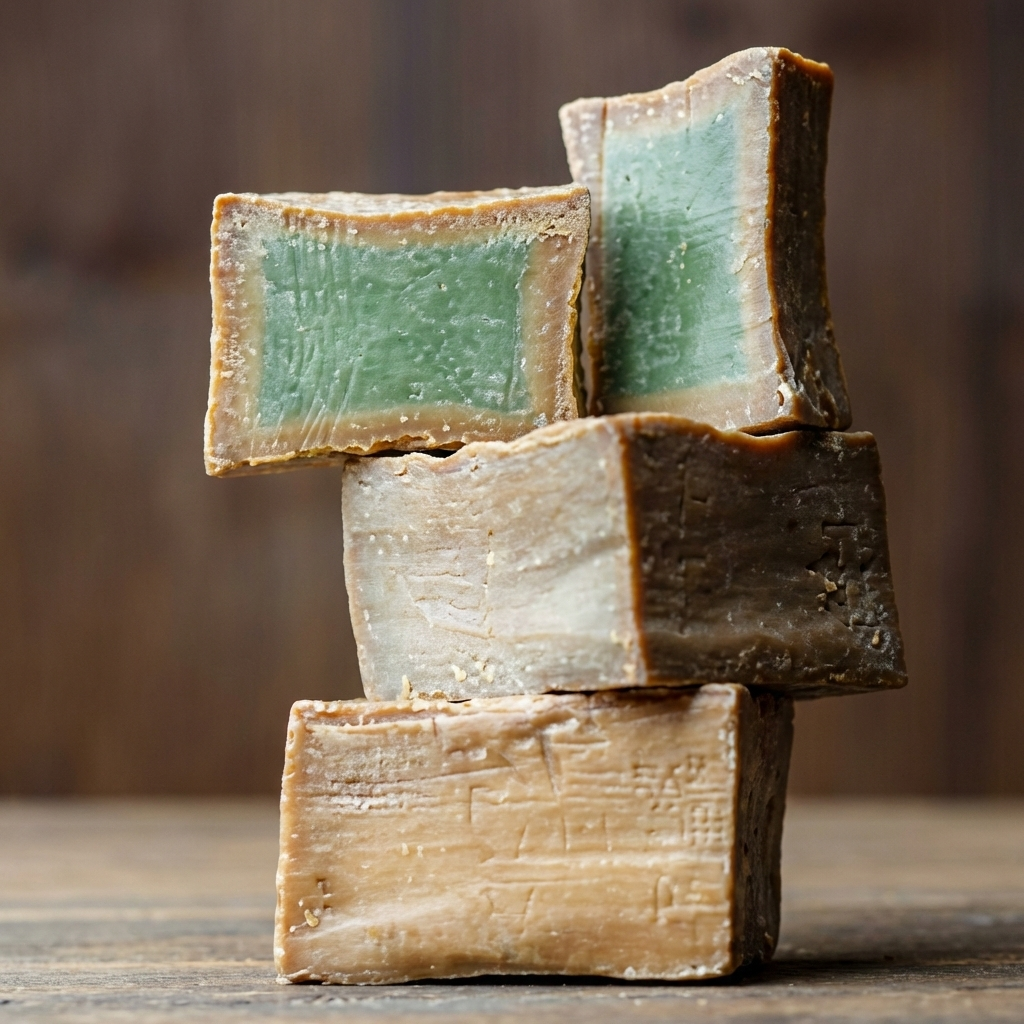
Simplicity
Made with olive oil, laurel berry oil, water, and natural lye — the essential ingredients of authentic Aleppo soap.
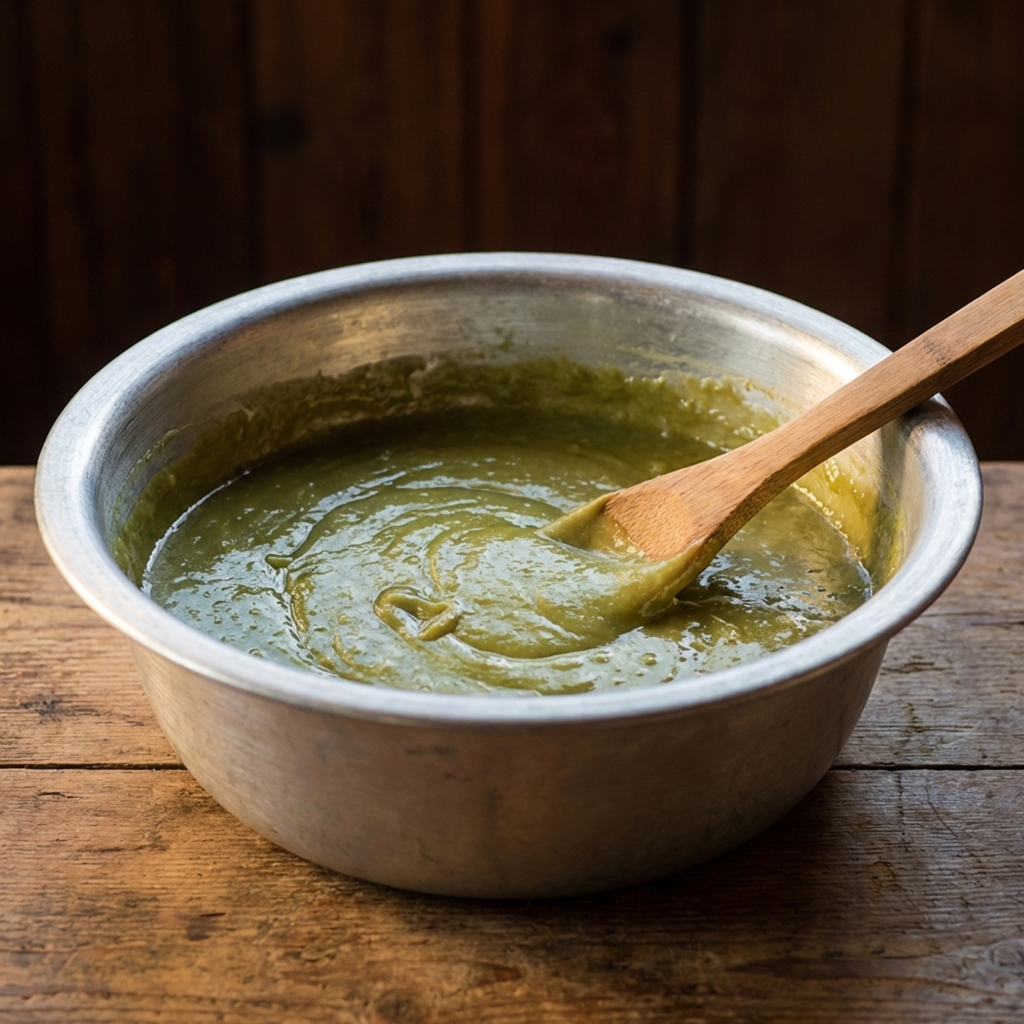
Authenticity
The recipe is Syrian. The craft is centuries old. Passed down without shortcuts, without substitutions, without compromise.
A Note on Origin
We are asked regularly where our soap is made — and we think that is exactly the right question to ask.
The Aleppo soap tradition originates in Syria. The recipe, the method, the nine-month cure, the four ingredients — all of it comes from a craft that was developed and perfected in the city of Aleppo over more than a thousand years.
Our soap is produced by traditional artisans in Türkiye, using those same Syrian methods and the same four ingredients. We chose to be transparent about this rather than let the name alone carry the implication of Syrian production — because we believe the trust of our customers matters more than the simplicity of a marketing story.
The tradition is Syrian. The craft continues. The bar in your hands is the same bar it has always been.